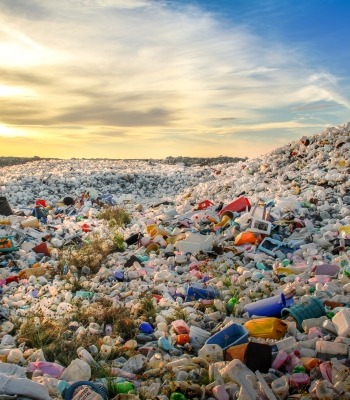
Plastic is a material that has revolutionized industries and lifestyles. From packaging our food to building essential medical equipment, plastics are indispensable. Yet, this marvel of modern science comes with significant environmental consequences. For students studying IGCSE Grade 10 Chemistry (0620), understanding the chemistry behind plastics is essential for connecting theoretical concepts to pressing real-world challenges.
In this blog, we’ll explore the chemistry of plastics, their production, the environmental issues they create, and the solutions chemists are developing to tackle these challenges.
1. What Are Plastics and How Are They Made?
Plastics are synthetic materials derived from polymers, which are long chains of repeating units called monomers. These polymers are created through chemical reactions known as polymerization.
Types of Polymerization
Addition Polymerization:
- Monomers with double bonds (e.g., ethene) link together to form a polymer (e.g., polyethene).
- Example:
n(C2H4)→(−CH2−CH2−)nn(C2H4)→(−CH2−CH2−)n
Condensation Polymerization:
- Monomers react to form a polymer while releasing small molecules like water.
Common Plastics and Their Uses
Polyethene (PE): Used in shopping bags and water bottles.
Polypropylene (PP): Found in food containers and medical devices.
Polyvinyl Chloride (PVC): Used for pipes, credit cards, and flooring.
Polystyrene (PS): Found in packaging and insulation.
IGCSE Grade 10 Chemistry Connection (0620):
The syllabus covers addition polymerization, highlighting how monomers like ethene form polymers such as polyethene. This provides a foundation for understanding the structure and properties of synthetic materials.
2. The Journey from Crude Oil to Plastics
Most plastics are derived from crude oil, a finite natural resource. The process involves multiple steps:
- Fractional Distillation:
- Crude oil is separated into components, including naphtha, which is used to make plastics.
- Cracking:
- Larger hydrocarbons are broken into smaller, more reactive molecules like ethene and propene.
- Polymerization:
- Monomers undergo chemical reactions to form long polymer chains.
- Shaping and Manufacturing:
- Polymers are molded into desired shapes for various applications.
Example:
Ethene (C2H4C2H4) undergoes addition polymerization to form polyethene, a common material in household items.
IGCSE Grade 10 Chemistry Link (0620):
You’ll study cracking hydrocarbons and how smaller alkenes serve as monomers in polymer production.
3. Properties of Plastics: Strengths and Weaknesses
Advantages of Plastics:
Lightweight: Ideal for packaging and transportation.
Durable: Long-lasting materials for construction and medical devices.
Versatile: Easily molded into various shapes.
Cost-Effective: Cheap to produce compared to alternatives.
Disadvantages of Plastics:
Non-Biodegradable: Most plastics persist in the environment for hundreds of years.
Pollution: Plastic waste contaminates oceans and ecosystems.
Health Concerns: Microplastics enter food chains, affecting human and animal health.
Fun Fact:
An average plastic bottle takes around 450 years to decompose fully!
4. The Environmental Impact of Plastics
Plastics’ durability, while useful, leads to significant environmental problems.
Key Issues
Non-Biodegradability:
- Plastics do not break down naturally, resulting in long-term pollution.
Microplastics:
- Tiny particles of plastic pollute waterways and oceans, harming marine life.
Carbon Footprint:
- Plastic production releases large amounts of CO₂, contributing to climate change.
Real-Life Example: The Great Pacific Garbage Patch
This vast collection of plastic debris in the Pacific Ocean is a stark reminder of the growing problem of plastic waste.
IGCSE Chemistry (0620) Connection:
The syllabus emphasizes the importance of sustainability and environmental chemistry, linking to issues like pollution and waste management.
5. Recycling Plastics: Challenges and Innovations
Recycling is an important solution to plastic waste, but it has limitations.
Recycling Process
Collection and Sorting: Plastics are separated by type and color.
Shredding: Plastics are broken into smaller pieces.
Melting and Remolding: Shredded plastic is melted and reshaped into new products.
Challenges in Recycling
Contamination: Food residue or mixed materials complicate the process.
Downcycling: Recycled plastics often lose quality and usability.
Limited Recyclability: Thermosetting plastics cannot be remelted or reshaped.
Innovative Solutions
Chemical Recycling: Breaks plastics down into monomers for reuse in new polymers.
Bioplastics: Made from renewable materials like corn starch, these plastics decompose faster.
Circular Economy: Focuses on designing products for reuse and easier recycling.
IGCSE Grade 10 Chemistry Relevance (0620):
Recycling links to separation techniques, chemical reactions, and sustainability, all of which are central to the syllabus.
6. Future of Plastics: Green Chemistry and Sustainable Alternatives
Chemists are working on eco-friendly alternatives to traditional plastics.
Biodegradable Plastics: These decompose naturally, reducing environmental impact.
Plant-Based Polymers: Materials like polylactic acid (PLA) are derived from renewable sources.
Catalyst Development: Advanced catalysts make polymerization more efficient, reducing waste.
Example in Action:
PLA is already used in compostable packaging, offering a greener alternative to single-use plastics.
7. Practical Experiments for IGCSE Students
a) Polymer Formation Experiment
Mix glue (polyvinyl acetate) with borax to create a simple polymer, demonstrating cross-linking.
b) Comparing Decomposition Rates
Bury traditional plastic and a bioplastic in soil and observe their degradation over time.
c) Density-Based Sorting
Use water and alcohol solutions to separate plastics based on their densities.
IGCSE Chemistry (0620) Link:
These experiments reinforce polymer concepts and practical chemistry skills outlined in the syllabus.
8. Careers Related to Polymers and Recycling
Studying polymers and recycling in IGCSE Grade 10 Chemistry (0620) can lead to careers in:
Chemical Engineering: Design processes for sustainable polymer production.
Environmental Science: Research solutions for plastic waste management.
Materials Science: Develop advanced materials for various industries.
Product Design: Create innovative, eco-friendly products.
Fun Facts About Plastics
First Synthetic Plastic: Bakelite, invented in 1907, was the first fully synthetic polymer.
Recycling Champions: PET (used in water bottles) is one of the most commonly recycled plastics.
Infinite Recyclability: Some innovative plastics can be recycled repeatedly without losing quality.
Conclusion
Plastics have transformed our world, offering unmatched convenience and innovation, but they also pose significant environmental challenges. For IGCSE Grade 10 Chemistry (0620) students, understanding the chemistry behind plastics, from their production to recycling, provides valuable insight into real-world applications and problems. By exploring sustainable solutions, you can contribute to reducing plastic waste and building a more sustainable future. The next time you use a plastic product, think about the chemistry that made it possible—and how you can help minimize its impact.