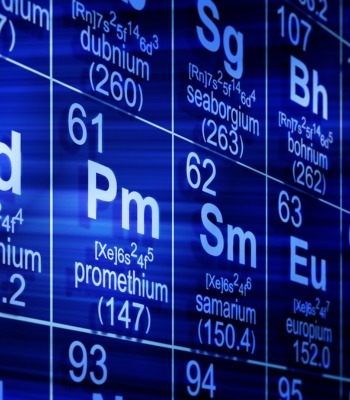
The periodic table isn’t just a chart of elements; it’s a map of the building blocks that power the modern world. From smartphones to renewable energy solutions, elements from the periodic table play critical roles in shaping the technology we use every day. For IGCSE Grade 10 Chemistry (0620) students, understanding the periodic table is about more than memorizing symbols—it’s about seeing its real-world applications.
This blog dives into the periodic table, exploring how its elements contribute to cutting-edge technology and how IGCSE Chemistry helps you understand their properties.
1. The Periodic Table: A Masterpiece of Organization
The periodic table organizes elements based on their atomic number, electron configurations, and chemical properties. Its structure is key to understanding how elements behave and interact.
Key Features of the Periodic Table:
Groups: Vertical columns that share similar chemical properties (e.g., alkali metals in Group 1).
Periods: Horizontal rows where properties change progressively across the table.
Metals, Non-Metals, and Metalloids: Elements are divided into these categories based on their properties.
IGCSE Chemistry Connection (0620):
You’ll learn how the periodic table predicts trends in properties like reactivity, ionization energy, and electronegativity, helping you understand why specific elements are ideal for technological applications.
2. Metals That Drive Technology
Metals are essential in building the technological world, thanks to their unique properties like conductivity, malleability, and strength.
a) Copper (Cu): The Backbone of Electronics
- Uses: Found in electrical wiring, motors, and circuit boards due to its excellent conductivity.
- Why Copper? Its low electrical resistance and high thermal conductivity make it ideal for efficient energy transfer.
b) Lithium (Li): Powering Batteries
- Uses: Lithium-ion batteries power smartphones, laptops, and electric vehicles.
- Why Lithium? Lithium is light, highly reactive, and stores energy efficiently.
c) Aluminum (Al): Lightweight and Strong
- Uses: Found in airplane bodies, kitchen utensils, and renewable energy equipment.
- Why Aluminum? It’s corrosion-resistant, lightweight, and has excellent mechanical strength.
IGCSE Chemistry Link (0620):
In Grade 10, you’ll study the physical and chemical properties of metals, as well as their reactivity series, which explains why some metals are better suited for certain applications.
3. Non-Metals Shaping Modern Innovations
Non-metals may lack the shine and strength of metals, but their properties are indispensable in technology.
a) Silicon (Si): The Heart of Computers
- Uses: Silicon is the key material in semiconductors for computer chips and solar panels.
- Why Silicon? Its ability to conduct electricity under specific conditions makes it ideal for controlling electrical currents.
b) Carbon (C): The Versatile Element
- Uses: Carbon forms the basis of nanotechnology (graphene) and is the primary element in organic chemistry.
- Why Carbon? Its ability to form strong bonds and versatile structures enables groundbreaking materials like carbon nanotubes.
c) Nitrogen (N): Supporting Life and Industry
- Uses: Nitrogen is essential in fertilizers and forms the basis of many industrial processes.
- Why Nitrogen? Its inertness makes it ideal for preserving food and stabilizing reactions.
IGCSE Chemistry Connection (0620):
Non-metals’ roles in compounds and reactions are explored through chemical bonding and trends across the periodic table.
4. Rare Earth Elements: Small But Mighty
Rare earth elements, found in the lanthanide series, play an outsized role in advanced technology.
Examples of Rare Earths in Action:
Neodymium (Nd): Used in powerful magnets for wind turbines and electric vehicles.
Lanthanum (La): Found in camera lenses and rechargeable batteries.
Yttrium (Y): Essential for making LEDs and lasers.
Fun Fact:
Despite their name, rare earth elements aren’t rare—they’re just difficult to extract economically!
IGCSE Chemistry Relevance (0620):
Understanding the properties of transition metals and rare earth elements connects to topics like oxidation states and electronic structures.
5. Groups in Action: Alkali Metals, Halogens, and Noble Gases
The periodic table groups elements with similar properties, making it easier to predict their behavior.
a) Group 1: Alkali Metals
- Examples: Lithium, sodium, potassium.
- Uses: Lithium in batteries, sodium in streetlights, and potassium in fertilizers.
- Properties: Highly reactive, especially with water, forming hydroxides and releasing hydrogen gas.
b) Group 7: Halogens
- Examples: Chlorine, fluorine, iodine.
- Uses: Fluoride in toothpaste, chlorine in disinfectants, and iodine in medical treatments.
- Properties: Highly reactive non-metals that form salts with alkali metals.
c) Group 0: Noble Gases
- Examples: Helium, neon, argon.
- Uses: Helium in MRI machines, neon in lighting, and argon in welding.
- Properties: Chemically inert, making them ideal for applications requiring stability.
IGCSE Chemistry Link (0620):
You’ll study these groups in detail, exploring their reactivity trends, properties, and real-world applications.
6. Environmental Impact of Technological Elements
While elements power innovation, their extraction and use come with environmental costs.
Mining Impacts:
Metals like copper and lithium require intensive mining, leading to habitat destruction and pollution.
Rare earth element extraction generates toxic waste.
E-Waste:
Discarded electronics contribute to growing waste, with valuable elements like gold and palladium often left unrecycled.
Green Chemistry Solutions:
Recycling metals from e-waste reduces the need for mining.
Innovations in sustainable mining practices minimize environmental damage.
IGCSE Chemistry Relevance (0620):
Sustainability and environmental chemistry are key syllabus topics, emphasizing the importance of responsible use of resources.
7. Practical Experiments for IGCSE Grade 10 Chemistry Students
Reactivity Series Demonstration: React alkali metals like sodium with water to observe trends in reactivity (under supervision).
Testing Properties of Metals and Non-Metals: Compare conductivity, malleability, and reactivity in a lab setting.
Flame Tests: Identify metal ions based on the color of their flame, linking to the periodic table’s group properties.
8. Careers in Periodic Table Chemistry
Mastery of the periodic table can lead to exciting careers:
Material Scientist: Develop advanced materials like superconductors and nanomaterials.
Chemical Engineer: Design processes for extracting and refining elements.
Environmental Scientist: Study the impact of mining and develop sustainable practices.
Technology Developer: Innovate in semiconductors, renewable energy, and more.
Fun Facts About the Periodic Table
A Yearly Update: The periodic table can change as new elements are discovered!
Gold in Space: Gold’s reflective properties make it essential for coating spacecraft.
Neon Lights’ Glow: Neon gas emits a bright red-orange light when electrified, creating iconic signs.
Conclusion
The periodic table is more than a tool for chemists—it’s a roadmap for innovation, shaping the technologies that define our lives. For IGCSE Grade 10 Chemistry (0620) students, understanding the periodic table is key to unlocking its real-world applications, from powering gadgets to advancing renewable energy. The next time you use your smartphone or drive an electric car, remember—it’s all thanks to the elements of the periodic table.