Every second, your body is under attack. Invisible invaders like bacteria, viruses, and fungi are trying to breach your defenses and make you sick. But your body isn’t defenseless—it’s equipped with a highly advanced immune system that fights off these threats with precision and power.
Understanding how your body defends itself isn’t just fascinating; it’s essential for appreciating the delicate balance that keeps you healthy. In this blog, we’ll explore the science of immunity, from the first line of defense to cutting-edge medical breakthroughs, and discover how your body is a constant battlefield.
1. What is the Immune System?
The immune system is your body’s defense mechanism, designed to protect you from harmful pathogens like bacteria, viruses, and parasites. It’s a complex network of cells, tissues, and organs working together to keep you safe.
Key Players in the Immune System
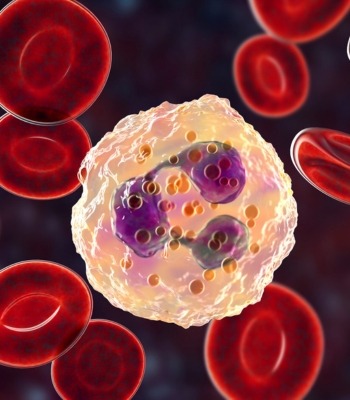
White Blood Cells (WBCs): Also called leukocytes, these are the soldiers of your immune system.
- Phagocytes: Engulf and digest invaders.
- Lymphocytes: Recognize and destroy specific pathogens.
Lymphatic System: A network of tissues and vessels that transport immune cells and filter harmful substances.
Antibodies: Proteins that target specific invaders for destruction.
Fun Fact:
Your body produces about 1 billion white blood cells every day to keep you protected!
2. The Lines of Defense: How Your Body Fights
Your immune system is structured like a fortress with multiple layers of defense.
a) First Line of Defense: Barriers
The first line of defense keeps invaders from entering your body.
- Skin: Acts as a physical barrier.
- Mucus: Traps pathogens in the respiratory system.
- Stomach Acid: Kills microbes in food and water.
b) Second Line of Defense: Innate Immunity
If pathogens get past the barriers, innate immunity kicks in.
- Inflammation: Increases blood flow to the infected area, bringing immune cells to fight invaders.
- Fever: Raises body temperature to slow down pathogen growth.
c) Third Line of Defense: Adaptive Immunity
This is your immune system’s most advanced layer, targeting specific pathogens.
- T Cells: Destroy infected cells.
- B Cells: Produce antibodies to neutralize invaders.
Real-Life Connection:
When you recover from chickenpox, your adaptive immunity “remembers” the virus, protecting you from getting it again.
3. Real-Life Applications of Immunology
The study of the immune system has transformed medicine and saved countless lives.
a) Vaccines: Preparing for Battle
Vaccines train your immune system by introducing weakened or inactive forms of pathogens. This prepares your body to fight the real thing without causing illness.
Example:
The polio vaccine has nearly eradicated a disease that once paralyzed millions.
b) Antibiotics and Antivirals
Antibiotics target bacterial infections, while antivirals slow down or stop viruses. However, overuse can lead to drug resistance, making these medicines less effective.
c) Autoimmune Diseases
Sometimes, the immune system attacks healthy cells, causing conditions like rheumatoid arthritis or Type 1 diabetes. Understanding immunity helps scientists develop treatments to manage these diseases.
4. Inquiry-Based Learning: Exploring Immunity
Students can dive deeper into immunity through hands-on activities and experiments.
Activity 1: Simulating a Pathogen Attack
Students role-play as different components of the immune system (e.g., T cells, antibodies, phagocytes) to understand how these elements work together during an infection.
Activity 2: Antibody Lock-and-Key Model
Using models, students demonstrate how antibodies recognize specific pathogens, showing the precision of adaptive immunity.
Collaborative Project Idea:
Research the impact of vaccines in preventing outbreaks of diseases like measles or COVID-19, and present findings through a debate or infographic.
5. Global Perspective: Immunity and Public Health
The immune system is at the heart of global health challenges, from pandemics to vaccine distribution.
a) Pandemics
Diseases like COVID-19 reveal how interconnected we are. The rapid spread of pathogens highlights the importance of collective immunity through vaccination and public health measures.
b) Vaccination Inequity
In some regions, access to vaccines is limited, leaving populations vulnerable. Global efforts like the COVAX initiative aim to address this disparity.
6. Careers in Immunology
Understanding the immune system opens doors to impactful careers:
Immunologist: Studies how the immune system functions and fights diseases.
Epidemiologist: Tracks and controls the spread of diseases.
Vaccine Developer: Creates vaccines to prevent deadly illnesses.
Allergist: Treats immune system overreactions, like allergies.
7. Ethical and Environmental Considerations
a) Vaccine Hesitancy
Misinformation can lead to fear of vaccines, putting public health at risk. Education and transparency are crucial to overcoming this challenge.
b) Overuse of Antibiotics
Overprescribing antibiotics contributes to the rise of superbugs—bacteria resistant to treatment. Responsible use is essential to preserving their effectiveness.
8. The Future of Immunology
a) Cancer Immunotherapy
Immunotherapy uses the immune system to target and destroy cancer cells. Treatments like CAR-T therapy are revolutionizing cancer care.
b) Artificial Immunity
Scientists are exploring ways to enhance immunity through bioengineered antibodies and synthetic vaccines.
Conclusion: The Ultimate Defense System
Your immune system is an incredible network that works tirelessly to keep you alive and healthy. From fighting off common colds to defending against life-threatening diseases, it’s a testament to the power of biology. Understanding immunity not only deepens our appreciation for life but also equips us to address global health challenges.
The next time you recover from a cold or get a vaccine, remember the intricate system at work inside you. Your immune system is more than a defense mechanism—it’s a symbol of life’s resilience.
Would you like to explore another fascinating topic in biology?