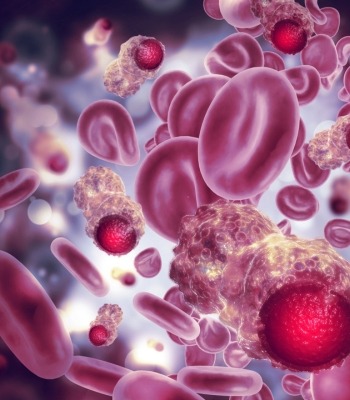
Imagine a bustling factory, with workers assembling products, machinery generating energy, and a management system coordinating it all. Now imagine this factory is so small that millions of them fit inside a single drop of blood. Welcome to the world of cells—the building blocks of life. Cells are nature’s tiny powerhouses, tirelessly working to keep you alive.
In IB MYP 3 Biology, understanding cells isn’t just about memorizing organelles—it’s about exploring how they function as the foundation of life and connecting this knowledge to real-world scenarios. Let’s uncover the secret lives of cells and discover how these microscopic units keep the world inside you running smoothly.
1. What Are Cells?
Cells are the basic structural and functional units of life. They are the smallest entities capable of carrying out all the processes necessary for life, from energy production to reproduction.
Two Main Types of Cells
- Prokaryotic Cells: Simple, with no nucleus. Found in bacteria and archaea.
- Eukaryotic Cells: Complex, with a nucleus and membrane-bound organelles. Found in plants, animals, fungi, and protists.
Cell Theory: The Foundation of Biology
- All living things are made up of cells.
- Cells are the basic unit of life.
- All cells come from pre-existing cells.
Fun Fact:
The human body contains about 37 trillion cells, each specialized for a particular function!
2. The Inner Workings of a Cell: Organelles in Action
Cells are like factories, with each organelle performing a specific role to ensure the cell functions efficiently.
a) Nucleus: The Control Center
The nucleus is like the manager’s office, containing DNA that directs all cellular activities. It stores the instructions for making proteins, which are essential for life.
b) Mitochondria: The Power Plants
Known as the “powerhouses” of the cell, mitochondria generate energy in the form of ATP through a process called cellular respiration.
Real-Life Connection:
Without mitochondria, your muscles wouldn’t have the energy to move, and your brain wouldn’t have the power to think.
c) Ribosomes: The Protein Builders
Ribosomes are the assembly lines where proteins are made. These proteins are essential for building structures, repairing tissues, and supporting cellular functions.
d) Endoplasmic Reticulum (ER): The Transport Network
- Rough ER: Studded with ribosomes, it helps in protein synthesis.
- Smooth ER: Synthesizes lipids and detoxifies harmful substances.
e) Golgi Apparatus: The Packaging Unit
The Golgi apparatus modifies, sorts, and packages proteins and lipids for transport within or outside the cell.
f) Lysosomes: The Cleanup Crew
Lysosomes contain enzymes that break down waste materials and recycle cellular components.
g) Chloroplasts: The Solar Panels (Plant Cells Only)
In plants, chloroplasts capture sunlight and convert it into energy through photosynthesis.
Fun Fact:
Chloroplasts contain chlorophyll, the pigment responsible for the green color in plants.
3. Cells in Action: Real-Life Applications
Cells are more than microscopic units—they are the foundation of science, medicine, and innovation.
a) Stem Cell Therapy
Stem cells are unspecialized cells that can develop into different types of cells. They hold immense potential for treating diseases like Parkinson’s, diabetes, and spinal cord injuries.
b) Cancer Research
Cancer occurs when cells grow uncontrollably. Understanding cell division helps scientists develop treatments like chemotherapy and immunotherapy.
Example:
CRISPR technology allows scientists to edit DNA in cells, potentially curing genetic disorders.
c) Agriculture
Cell biology is used to develop genetically modified crops that are resistant to pests, diseases, and harsh climates.
4. Inquiry-Based Learning: Exploring Cells
In IB MYP 3 Biology, students dive into the world of cells through hands-on experiments and collaborative projects.
Experiment 1: Observing Onion Cells Under a Microscope
Students stain onion skin with iodine and view it under a microscope, identifying organelles like the nucleus and cell wall. This activity introduces the structure of plant cells.
Experiment 2: Osmosis in Action
By placing potato slices in saltwater and freshwater, students observe how water moves in and out of cells. This demonstrates the concept of osmosis.
Collaborative Project Idea: Cell Models
Students create 3D models of plant and animal cells using everyday materials, explaining the functions of each organelle.
5. The Global Perspective: Cells and Sustainability
Cells aren’t just important for individuals—they play a vital role in addressing global challenges.
a) Biofuels
Scientists are studying algae cells to produce biofuels, offering a sustainable alternative to fossil fuels.
b) Conservation
Cell research helps preserve endangered species by enabling cloning and other genetic technologies.
Collaborative Project Idea:
Students can research how cell-based innovations like lab-grown meat and algae-based plastics can reduce environmental impact.
6. Careers Rooted in Cell Biology
Studying cells opens doors to fascinating careers:
- Biomedical Scientist: Researches diseases and develops treatments.
- Geneticist: Studies genes and their influence on organisms.
- Biotechnologist: Uses cells to create innovative products like vaccines.
- Pharmacologist: Develops drugs to target specific cellular functions.
7. Ethical and Environmental Considerations
a) Cloning
Cloning cells can save endangered species, but it also raises ethical questions about altering natural processes.
b) Stem Cell Research
While promising, stem cell research involves ethical debates about the source of these cells.
8. The Future of Cell Biology
Cell biology is advancing rapidly, with breakthroughs on the horizon:
- Organoids: Miniature organs grown from stem cells, used for drug testing and research.
- Synthetic Cells: Scientists are designing artificial cells to perform specific tasks, like delivering medicine.
Conclusion: Cells as the Engines of Life
Cells are more than microscopic units—they are engines of life, powering every breath, thought, and movement. In IB MYP 3 Biology, exploring cells reveals their essential role in health, technology, and the environment.
Next time you feel your heart beating or take a deep breath, remember the millions of cells working tirelessly inside you. Understanding their secrets not only deepens your appreciation for life but also opens doors to endless possibilities in science and innovation.
Would you like to explore another fascinating topic in biology?