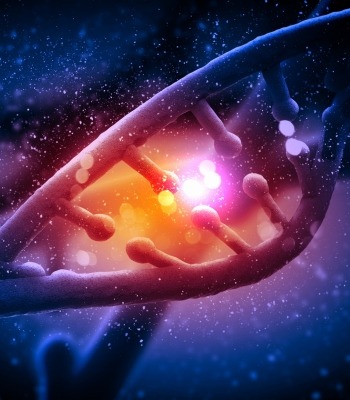
What if you could uncover the secrets that make you, well, you? From the color of your eyes to your ability to roll your tongue, everything about you is encoded in your DNA—the blueprint of life. DNA is the molecule that carries the instructions for building and maintaining every living thing, yet its simplicity belies its incredible complexity and importance.
In IB MYP 3 Biology, learning about DNA goes beyond understanding its structure. It’s about seeing how this molecule connects us to the world, our ancestors, and groundbreaking advancements in science. Let’s explore how DNA shapes life and unlock the mysteries it holds.
1. What is DNA?
DNA, or Deoxyribonucleic Acid, is a molecule that stores genetic information. Think of it as the instruction manual for creating and maintaining life.
The Structure of DNA
DNA is shaped like a twisted ladder, known as a double helix. Its “rungs” are made up of nitrogenous bases paired together:
- Adenine (A) pairs with Thymine (T).
- Cytosine (C) pairs with Guanine (G).
The sequence of these bases forms the genetic code.
Why is DNA So Special?
- Replication: DNA can copy itself, ensuring that genetic information is passed to new cells during growth and reproduction.
- Encoding Traits: Specific sequences of bases (called genes) determine everything from hair color to susceptibility to diseases.
Fun Fact:
If the DNA in one human cell were stretched out, it would be about 2 meters long—yet it fits into a microscopic nucleus!
2. The Role of DNA in Everyday Life
DNA isn’t just a molecule in biology textbooks—it plays a crucial role in shaping our world.
a) Inheritance and Traits
Your DNA is a mix of genetic material from your parents. This inheritance determines your physical characteristics (like height or eye color) and can even influence behavior and personality.
b) Medicine and Health
DNA research has revolutionized medicine:
- Gene Therapy: Scientists are working to replace faulty genes with healthy ones to treat genetic disorders like cystic fibrosis.
- Personalized Medicine: By analyzing a patient’s DNA, doctors can tailor treatments to their unique genetic makeup.
Example:
Cancer treatments like targeted therapies focus on specific genetic mutations in tumors.
c) Forensic Science
DNA profiling is a powerful tool in solving crimes. By comparing DNA samples from crime scenes with suspects, investigators can identify or exclude individuals with incredible accuracy.
Real-Life Connection:
The famous “Golden State Killer” case was solved using DNA evidence linked to a public genealogy database.
3. Inquiry-Based Learning: Exploring DNA
In IB MYP 3 Biology, students investigate DNA through hands-on activities and collaborative projects.
Activity 1: Extracting DNA from Strawberries
Using simple materials like dish soap and alcohol, students can extract visible strands of DNA from strawberries. This activity demonstrates that DNA is present in all living things.
Activity 2: Building a DNA Model
Students can construct a 3D model of DNA using colored beads or paper. This helps them understand its structure and how base pairs work together.
Activity 3: DNA and Traits Survey
Students collect data on inherited traits, like attached earlobes or the ability to roll their tongue, and analyze patterns in their class. This activity links genetics to real-life diversity.
4. The Global Connection: DNA and Society
DNA connects individuals, communities, and even species, revealing how deeply intertwined life on Earth truly is.
a) Ancestry and Human History
DNA analysis has uncovered migration patterns of ancient humans, showing how populations spread across the globe. This fosters a global perspective on cultural and genetic diversity.
b) Conservation Biology
DNA is used to track endangered species, ensuring their genetic diversity is preserved for future generations. For example:
- Tigers: Genetic analysis helps identify isolated populations that need protection.
- Whales: DNA barcoding monitors illegal hunting.
Collaborative Project Idea:
Students can research how DNA technology is used in conservation and present their findings through a multimedia presentation or infographic.
5. Careers Rooted in DNA
Studying DNA opens doors to exciting careers:
Genetic Counselor: Helps patients understand genetic risks for inherited diseases.
Biotechnologist: Develops innovations in agriculture, medicine, and industry.
Forensic Scientist: Uses DNA evidence to solve crimes.
Evolutionary Biologist: Studies genetic changes over time to understand species evolution.
6. Ethical and Environmental Considerations
a) Privacy and Genetic Data
As DNA analysis becomes more common, ethical questions arise:
- Should employers or insurers have access to your genetic information?
- How can we protect the privacy of DNA data in genealogy databases?
b) Genetically Modified Organisms (GMOs)
Manipulating DNA in crops has increased yields and resistance to pests, but it also raises concerns about environmental impact and food safety.
7. The Future of DNA Technology
a) CRISPR: Editing Genes
CRISPR technology allows scientists to edit DNA with unprecedented precision. This could lead to cures for genetic diseases or even designer babies—but it also raises ethical dilemmas.
b) Synthetic Biology
Scientists are creating artificial DNA to engineer new organisms, from bacteria that produce medicine to plants that glow in the dark.
8. Conclusion: DNA as the Thread of Life
DNA is much more than a molecule—it’s the thread that connects all living things. By studying DNA in IB MYP 3 Biology, students not only learn about its structure and function but also its impact on medicine, conservation, and society.
Next time you look in the mirror, remember that your DNA is the result of millions of years of evolution and countless stories of inheritance. As we unlock more of its secrets, DNA will continue to shape the future in ways we can only imagine.
Would you like to explore another exciting topic in biology?