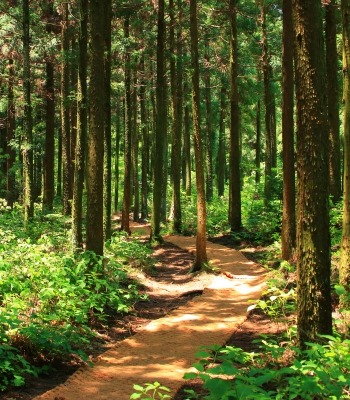
Imagine walking through a lush forest, where towering trees provide shade, birds sing from above, and the air smells of earth and rain. This magical scene is more than just beautiful—it’s an ecosystem, a finely balanced network of living organisms and their environment. But ecosystems are not just forests; they include deserts, oceans, and even your own backyard.
Ecosystems are nature’s grand puzzle, where every piece matters. From the tiniest microorganism to the mightiest predator, every living thing plays a role. Let’s dive into the intricacies of ecosystems and uncover their incredible importance to life on Earth.
1. What is an Ecosystem?
An ecosystem is a community of living organisms (plants, animals, and microbes) interacting with their physical environment (air, water, and soil). It’s a dynamic system where energy flows and nutrients cycle.
Components of an Ecosystem
- Biotic Factors: Living components like plants, animals, and bacteria.
- Abiotic Factors: Non-living elements like sunlight, water, and temperature.
Fun Fact:
The Amazon rainforest is the world’s largest ecosystem, producing 20% of the Earth’s oxygen!
Types of Ecosystems
- Terrestrial Ecosystems: Forests, grasslands, and deserts.
- Aquatic Ecosystems: Freshwater (lakes, rivers) and marine (oceans, coral reefs).
2. How Ecosystems Work: The Web of Life
Ecosystems are powered by energy from the sun, which flows through a food chain. This interconnected system is vital for maintaining balance.
a) Producers: The Energy Creators
Plants, algae, and some bacteria capture sunlight through photosynthesis to produce food. They are the foundation of every food chain.
b) Consumers: The Energy Users
Herbivores: Eat plants (e.g., deer, caterpillars).
Carnivores: Eat other animals (e.g., lions, hawks).
Omnivores: Eat both plants and animals (e.g., bears, humans).
c) Decomposers: The Recyclers
Fungi and bacteria break down dead matter, returning nutrients to the soil. Without them, ecosystems would collapse.
Real-Life Connection:
Think about your backyard garden. The plants (producers) grow in the soil enriched by decomposed organic matter, feeding insects (herbivores) that are eaten by birds (carnivores).
3. Real-Life Ecosystem Services
Ecosystems do more than sustain wildlife—they provide essential services to humans.
a) Clean Air and Water
Forests filter air by absorbing carbon dioxide and releasing oxygen, while wetlands purify water by trapping pollutants.
b) Food and Medicine
- Agriculture relies on ecosystems for fertile soil, pollination, and pest control.
- Many medicines, like aspirin and antibiotics, are derived from plants and microbes.
c) Climate Regulation
Oceans and forests act as carbon sinks, absorbing excess carbon dioxide and regulating the Earth’s temperature.
4. The Balance of Ecosystems: Why It Matters
Ecosystems are delicately balanced, and even small disruptions can have cascading effects.
a) Keystone Species: The Ecosystem Anchors
Some species, like wolves in Yellowstone or coral in reefs, have a disproportionately large impact on their ecosystems. Removing them can destabilize the entire system.
Example:
The reintroduction of wolves to Yellowstone National Park restored balance by controlling deer populations, allowing vegetation to recover.
b) Biodiversity: Nature’s Insurance Policy
Biodiversity—the variety of life within an ecosystem—ensures resilience. Diverse ecosystems can better withstand environmental changes and recover from disturbances.
5. Inquiry-Based Learning: Exploring Ecosystems
Students can investigate ecosystems firsthand through hands-on activities and collaborative projects.
Activity 1: Ecosystem in a Jar
Students create a mini-ecosystem in a sealed jar, including soil, plants, and water. Observing it over time demonstrates energy flow and nutrient cycling.
Activity 2: Food Web Mapping
Students research a local ecosystem and construct a food web, showing how species are interconnected. This highlights the importance of each organism.
Collaborative Project Idea:
Students can investigate the impact of human activities on nearby ecosystems, presenting solutions to minimize harm.
6. The Global Perspective: Ecosystems and Sustainability
Ecosystems are vital on a global scale, and protecting them is essential for the planet’s future.
a) Deforestation
The loss of forests disrupts ecosystems, reduces biodiversity, and contributes to climate change. Sustainable logging and reforestation are key solutions.
b) Coral Bleaching
Rising sea temperatures cause corals to expel the algae that give them color, threatening marine ecosystems. Reducing carbon emissions can help.
Collaborative Project Idea:
Students can explore global conservation efforts, like the UN’s Sustainable Development Goals (SDGs), and propose ways to protect ecosystems.
7. Careers Rooted in Ecosystem Studies
Studying ecosystems opens doors to impactful careers:
Ecologist: Studies ecosystems and their interactions.
Wildlife Biologist: Protects animal species and their habitats.
Environmental Scientist: Addresses issues like pollution and climate change.
Conservationist: Develops strategies to preserve biodiversity.
8. Ethical and Environmental Considerations
a) Habitat Destruction
Urbanization and agriculture often lead to habitat loss, forcing species to adapt, migrate, or face extinction.
b) Invasive Species
Introducing non-native species can disrupt ecosystems, outcompeting local species for resources.
9. The Future of Ecosystem Protection
a) Restoration Ecology
Restoring damaged ecosystems, like replanting mangroves or rebuilding coral reefs, helps recover biodiversity and ecosystem services.
b) Technology and Conservation
Drones, satellite imaging, and AI are being used to monitor ecosystems, track wildlife, and combat illegal activities like poaching.
Conclusion: Every Piece of the Puzzle Matters
Ecosystems are nature’s grand puzzle, where every piece—big or small—plays a role in maintaining balance. Understanding ecosystems in IB MYP 3 Biology helps us appreciate their complexity and importance, inspiring actions to protect them.
Next time you step outside, think of the interconnected web of life all around you. From the bees pollinating flowers to the trees cleaning the air, every piece matters in the puzzle of life.
Would you like to explore another exciting topic in biology?