Introduction: The Energy We Depend On
Every time you turn on a light, charge your phone, or ride a bus, you’re using energy. But where does this energy come from? The world’s energy needs are growing, and the choices we make about how we produce and use energy will shape the future of our planet.
In IB MYP 5 Physics, you’ll explore the science behind energy production, diving into the benefits and challenges of renewable and non-renewable energy sources. This blog takes you into the heart of the energy debate, helping you understand the technologies, impacts, and innovations that define our energy future.
What Is Energy? A Quick Recap
Energy is the ability to do work or cause change, and it comes in many forms:
Kinetic Energy: Energy of motion.
Potential Energy: Stored energy.
Thermal Energy: Energy from heat.
Electrical Energy: Energy from moving electrons.
How we harness and transform these forms of energy determines their impact on the environment and society.
Non-Renewable Energy: Power From the Past
Non-renewable energy comes from resources that take millions of years to form and are finite in supply.
Examples of Non-Renewable Energy Sources:
- Fossil Fuels: Coal, oil, and natural gas formed from ancient plants and animals.
- Nuclear Energy: Produced by splitting atoms of uranium in a process called fission.
Advantages:
- High energy output.
- Reliable and available on demand.
Disadvantages:
- Fossil fuels produce greenhouse gases, contributing to climate change.
- Mining and drilling damage ecosystems.
- Nuclear energy creates radioactive waste that must be stored safely for thousands of years.
Renewable Energy: Power for the Future
Renewable energy comes from sources that are naturally replenished, offering a sustainable alternative to fossil fuels.
Examples of Renewable Energy Sources:
- Solar Energy: Capturing sunlight with solar panels.
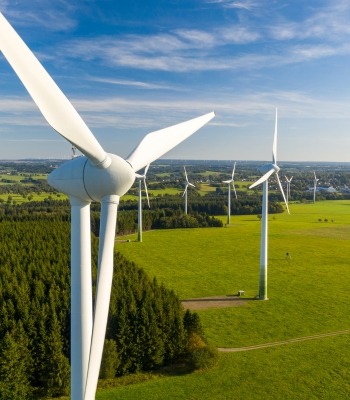
- Wind Energy: Using wind turbines to generate electricity.
- Hydropower: Harnessing energy from flowing water.
- Geothermal Energy: Using heat from beneath Earth’s surface.
- Biomass: Burning organic materials like wood or agricultural waste.
Advantages:
- Low environmental impact.
- Infinite supply (as long as the Sun shines and the wind blows).
Disadvantages:
- Some sources depend on weather conditions (e.g., solar panels need sunlight).
- High initial setup costs for infrastructure like wind farms and solar arrays.
Key Differences Between Renewable and Non-Renewable Energy
| Aspect | Renewable Energy | Non-Renewable Energy |
| Supply | Infinite or naturally replenished | Finite, will eventually run out |
| Environmental Impact | Low greenhouse gas emissions | High emissions and pollution |
| Cost | High initial costs, low long-term costs | Often cheaper to start, but long-term environmental costs |
| Reliability | Depends on weather or conditions | Reliable and consistent |
The Energy Debate: Pros and Cons of Each
Why Some Support Non-Renewable Energy:
- High energy output meets immediate demand.
- Infrastructure for fossil fuels and nuclear energy is already in place.
- Affordable in the short term for many developing nations.
Why Others Advocate for Renewables:
- Sustainable and eco-friendly.
- Reduces reliance on finite resources.
- Addresses global challenges like climate change and air pollution.
Energy in Action: Real-Life Applications
Understanding energy sources isn’t just academic—it’s critical to real-world decisions:
Powering Cities:
- Non-renewables currently provide most of the world’s electricity.
- Renewables are expanding rapidly, with solar and wind farms powering entire cities.
Transportation:
- Fossil fuels dominate, but electric vehicles (EVs) running on renewable electricity are the future.
Innovations in Energy Storage:
- Batteries are crucial for storing renewable energy when the sun isn’t shining or the wind isn’t blowing.
Hands-On Experiments: Exploring Energy Sources
IB MYP 5 Physics encourages you to engage with energy concepts through experiments:
Building a Solar Oven:
- Use aluminum foil, a box, and plastic wrap to build a solar oven. Test its ability to heat food.
- What You’ll Learn: How sunlight is converted into heat energy.
Wind Turbine Model:
- Construct a simple wind turbine using cardboard and a small motor. Measure how much electricity it generates.
- What You’ll Learn: The basics of converting wind energy into electrical energy.
Energy Output Comparison:
- Compare the energy produced by burning a small amount of fossil fuel with energy generated from a renewable source like a hand-cranked dynamo.
- What You’ll Learn: Differences in efficiency and environmental impact.
Common Misconceptions About Energy
Misconception: Renewable energy is always better than non-renewable energy.
- Truth: While renewables are sustainable, their reliability can vary based on weather and location.
Misconception: Non-renewable energy is outdated.
- Truth: Advances in nuclear energy, like fusion research, show potential for safer, more efficient power.
Misconception: Switching to renewables is quick and easy.
- Truth: Transitioning to renewable energy requires significant investment and infrastructure changes.
The Future of Energy
The energy debate is driving global innovation:
Fusion Power:
- Harnessing nuclear fusion could provide clean, limitless energy in the future.
Smart Grids:
- Intelligent systems that optimize energy distribution from renewable and non-renewable sources.
Global Cooperation:
- Countries are working together to develop renewable energy technologies and reduce emissions.
Why Energy Matters for Students
Learning about energy helps you understand one of the most pressing global challenges: balancing human needs with environmental sustainability.
Career Opportunities: Renewable energy engineers, environmental scientists, and policy makers are shaping the future.
Critical Thinking: Exploring the energy debate sharpens your ability to evaluate pros and cons of complex issues.
Global Impact: Your generation will drive the transition to cleaner, more sustainable energy.
Conclusion: Choosing the Future of Energy
The energy debate isn’t just about science—it’s about shaping the future of our planet. Through IB MYP 5 Physics, you’ll explore the technologies, trade-offs, and innovations that define renewable and non-renewable energy sources.
This isn’t just about choosing sides—it’s about understanding the complexity of energy systems and finding solutions that work for both people and the planet. So, are you ready to join the energy revolution and help power a better future?