Electrolysis might sound like a concept confined to a chemistry lab, but its impact stretches far beyond. From refining metals to powering rechargeable batteries, electrolysis is a cornerstone of modern technology. For IGCSE Grade 10 Chemistry (0620) students, understanding electrolysis is not just about learning a process—it’s about uncovering the chemistry behind some of the most important innovations in our lives.
In this blog, we’ll break down the principles of electrolysis, explore its real-world applications, and connect these concepts to the IGCSE Chemistry syllabus.
1. What is Electrolysis?
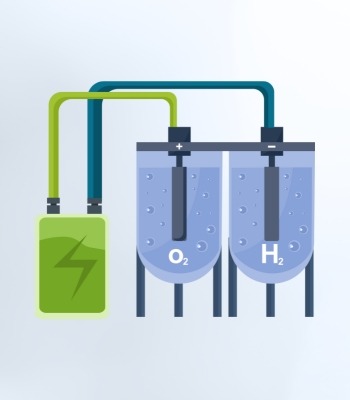
Electrolysis is a process that uses electrical energy to drive a non-spontaneous chemical reaction. It involves the decomposition of ionic compounds into their elements when an electric current passes through them.
Key Components of Electrolysis:
Electrolyte: The ionic compound (molten or dissolved in water) that conducts electricity.
Electrodes: Conductors where the reactions occur:
- Anode (Positive): Attracts anions (negative ions).
- Cathode (Negative): Attracts cations (positive ions).
Electric Current: Provides the energy needed to break chemical bonds.
IGCSE Chemistry Connection (0620):
Electrolysis is a core topic in the syllabus, covering the decomposition of compounds, ion migration, and reactions at the electrodes.
2. The Electrolysis Process: Step by Step
Let’s take the electrolysis of molten sodium chloride (NaCl) as an example.
Reactions at the Electrodes:
At the Cathode (Reduction): Sodium ions (Na+Na+) gain electrons to form sodium metal.
Na++e−→NaNa++e−→Na
At the Anode (Oxidation): Chloride ions (Cl−Cl−) lose electrons to form chlorine gas.
2Cl−→Cl2+2e−2Cl−→Cl2+2e−
Overall Reaction:
2NaCl→2Na+Cl22NaCl→2Na+Cl2
This process separates sodium metal and chlorine gas, both of which have significant industrial uses.
IGCSE Chemistry Link (0620):
You’ll study the principles of oxidation (loss of electrons) and reduction (gain of electrons), essential for understanding electrolysis.
3. Applications of Electrolysis in Everyday Life
a) Refining Metals
Electrolysis is used to purify metals like copper. Impure copper acts as the anode, and pure copper is deposited at the cathode.
Example Reaction:Cu2++2e−→Cu (at the cathode)Cu2++2e−→Cu(at the cathode)
b) Electroplating
A thin layer of metal, such as silver or gold, is deposited onto another object to improve its appearance or resistance to corrosion.
Example:
Electroplating jewelry with gold involves using a gold salt solution as the electrolyte.
c) Producing Aluminum
Aluminum is extracted from bauxite ore (aluminum oxide, Al2O3Al2O3) using electrolysis. The process occurs in molten cryolite to reduce energy consumption.
Reaction at the Cathode:Al3++3e−→AlAl3++3e−→Al
d) Hydrogen Production
Electrolysis of water splits it into hydrogen and oxygen gases, providing a clean energy source.
Overall Reaction:2H2O→2H2+O22H2O→2H2+O2
IGCSE Chemistry Connection (0620):
Applications like electroplating and refining metals tie directly to practical chemistry skills and industrial processes.
4. The Role of Electrolysis in Technology
Electrolysis drives advancements in energy, manufacturing, and sustainability.
a) Batteries and Fuel Cells
Rechargeable batteries like lithium-ion use electrolysis during charging and discharging cycles.
Hydrogen fuel cells rely on electrolysis to split water, providing clean energy for vehicles and power grids.
b) Renewable Energy
Electrolysis powered by renewable sources like solar and wind creates green hydrogen, a sustainable energy carrier.
c) Industrial Manufacturing
Electrolysis is crucial for producing chlorine, used in PVC plastics, and sodium hydroxide, a key ingredient in detergents.
Real-Life Example:
Tesla and other car manufacturers are investing in hydrogen fuel cells for clean transportation, made possible by efficient electrolysis.
5. Challenges of Electrolysis
While electrolysis is versatile, it comes with challenges:
Energy Consumption: Electrolysis requires significant electricity, often from non-renewable sources.
Cost: The process can be expensive, especially for large-scale applications.
Efficiency: Inefficient systems result in energy loss as heat.
Innovative Solutions:
Improved Catalysts: Scientists are developing catalysts to lower the energy needed for electrolysis.
Integration with Renewables: Using renewable energy sources to power electrolysis makes it more sustainable.
IGCSE Chemistry Connection (0620):
These challenges emphasize the importance of sustainability, a key theme in environmental chemistry.
6. Practical Experiments for IGCSE Students
Electrolysis of Copper Sulfate Solution:
- Objective: Observe copper deposition at the cathode and oxygen evolution at the anode.
- Setup: Use graphite electrodes, a copper sulfate solution, and a power source.
Electroplating Experiment:
- Objective: Plate an iron nail with copper.
- Setup: Use a copper sulfate solution as the electrolyte and a copper strip as the anode.
Water Electrolysis:
- Objective: Split water into hydrogen and oxygen using a Hoffmann voltameter or simple test tubes.
IGCSE Chemistry Link (0620):
These hands-on experiments reinforce theoretical knowledge and practical skills in electrolysis.
7. Careers in Electrolysis and Technology
Mastering electrolysis in IGCSE Grade 10 Chemistry (0620) opens doors to exciting careers:
Chemical Engineer: Design efficient electrolysis systems for industrial applications.
Energy Scientist: Develop green hydrogen solutions for renewable energy.
Materials Scientist: Create advanced batteries and fuel cells.
Environmental Chemist: Innovate sustainable processes for electrolysis-powered recycling.
8. Fun Facts About Electrolysis
First Discovery: Electrolysis was discovered in 1800 by William Nicholson and Anthony Carlisle.
Gold in Space: Electrolysis is used to refine gold for spacecraft components.
Water Splitting: Electrolysis produces oxygen for astronauts aboard the International Space Station.
Conclusion
Electrolysis is a remarkable process that combines chemistry and technology to shape the modern world. From purifying metals to producing hydrogen fuel, its applications are vast and impactful. For IGCSE Grade 10 Chemistry (0620)students, understanding electrolysis bridges theoretical knowledge and practical innovation, highlighting the power of chemistry in solving real-world problems. The next time you use a smartphone or consider clean energy solutions, remember—the chemistry of electrolysis is at work.