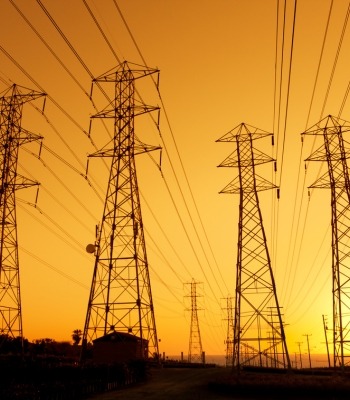
Electricity powers our homes, gadgets, and even cars, yet it’s something we often take for granted. How does a tiny battery light up a bulb or charge your smartphone? The answer lies in understanding current, voltage, and resistance—key concepts in IGCSE Grade 9 Physics (0625). These fundamental ideas not only explain how circuits work but also connect directly to careers in engineering, energy, and technology.
In this blog, we’ll explore the basics of electricity, its real-world applications, and how these concepts shape the modern world.
1. What is Electricity?
Electricity is the flow of electric charge through a material, and it powers everything from simple circuits to complex networks.
Key Terms to Know
Current (II): The rate of flow of electric charge, measured in amperes (A).
Voltage (VV): The energy per unit charge, measured in volts (V). It’s the “push” that drives the current through a circuit.
Resistance (RR): The opposition to the flow of current, measured in ohms (Ω).
Formula Connection: These three quantities are related by Ohm’s Law:
V=IRV=IR
2. Understanding Electric Circuits
An electric circuit is a complete path through which electricity flows. The basic components of a circuit include:
Power Source: Provides the energy (e.g., a battery).
Conductors: Allow current to flow (e.g., wires).
Load: Converts electrical energy into another form (e.g., a bulb or motor).
Series Circuits
Components are connected end-to-end.
Properties:
- Current (II) is the same throughout.
- Voltage (VV) is shared across components.
Parallel Circuits
Components are connected in separate branches.
Properties:
- Voltage is the same across each branch.
- Current splits between branches.
IGCSE Physics Connection (0625):
You’ll study how to analyze circuits using these principles, along with practical experiments to reinforce them.
3. Real-Life Applications of Electricity
Electricity is the backbone of modern life. Understanding how it works enables innovation across industries.
a) Powering Your Home
- Circuit Breakers: Protect electrical systems by interrupting the current during overloads.
- Light Bulbs: Convert electrical energy into light (and heat). LEDs are more efficient because they have less resistance.
b) Transportation
- Electric Cars: Use batteries to power motors, reducing reliance on fossil fuels.
- Traffic Lights: Operate using timed electrical circuits.
c) Everyday Gadgets
- Smartphones: Recharge using USB chargers that regulate voltage and current.
- Headphones: Use electric signals to produce sound by vibrating a diaphragm.
Real-Life Example:
The wireless charging pad for your phone uses electromagnetic induction, another form of electricity that you’ll study in later topics.
4. Why Do Some Materials Conduct Electricity Better?
Conductors
- Materials like copper and silver have free-moving electrons that allow electricity to flow easily.
Insulators
- Materials like rubber and plastic resist electricity, making them ideal for protective coverings.
Semi-Conductors
- Found in devices like transistors and solar cells, semi-conductors conduct electricity under specific conditions.
5. Fun Experiments to Explore Electricity
a) Building a Simple Circuit
- Use a battery, wires, and a small bulb to create a basic circuit.
- Observe how the bulb lights up when the circuit is complete.
b) Testing Resistance
- Use a pencil (graphite) as a resistor in a circuit and measure the difference in brightness of the bulb.
c) Investigating Series and Parallel Circuits
- Build both types of circuits and observe how the brightness of bulbs and current flow differ.
IGCSE Physics Connection (0625):
These experiments align with the syllabus and help build practical skills for analyzing circuits.
6. Careers That Use Electrical Concepts
Understanding electricity opens doors to innovative careers:
Electrical Engineer: Design power systems, electrical grids, and appliances.
Renewable Energy Specialist: Develop solar panels and wind turbines.
Automotive Engineer: Create electric vehicles and their charging systems.
Robotics Developer: Use circuits to power and control robots.
Game Developer: Incorporate electrical principles into hardware for gaming consoles.
7. Common Misconceptions About Electricity
a) Voltage and Current are the Same
- Voltage provides the “push,” while current is the actual flow of charge. Both are different but interconnected.
b) Insulators Completely Block Electricity
- High voltages can force electricity through insulators, which is why safety precautions are critical.
c) Batteries Produce Unlimited Energy
- Batteries store a finite amount of energy, which depletes as the current flows.
8. Fun Facts About Electricity
- Lightning: A single lightning bolt can carry up to 1 billion volts!
- Electric Eels: These fascinating creatures generate electricity to stun prey and defend themselves.
- Copper Rules: Nearly 95% of household electrical wiring is made of copper due to its excellent conductivity.
9. Connecting the Dots with IGCSE Physics 0625
In IGCSE Grade 9 Physics (0625), electricity is a foundational topic that links directly to later concepts like electromagnetism, energy transfer, and circuit analysis. Mastering current, voltage, and resistance prepares you for understanding complex systems and tackling real-world challenges.
Conclusion
Electricity is the invisible force that powers our world, from lighting up homes to driving electric vehicles. For IGCSE Grade 9 Physics (0625) students, understanding current, voltage, and resistance isn’t just about circuits—it’s about unlocking the potential to innovate and solve problems in a rapidly advancing technological age. The next time you switch on a light or charge your phone, you’ll know the science behind the spark!